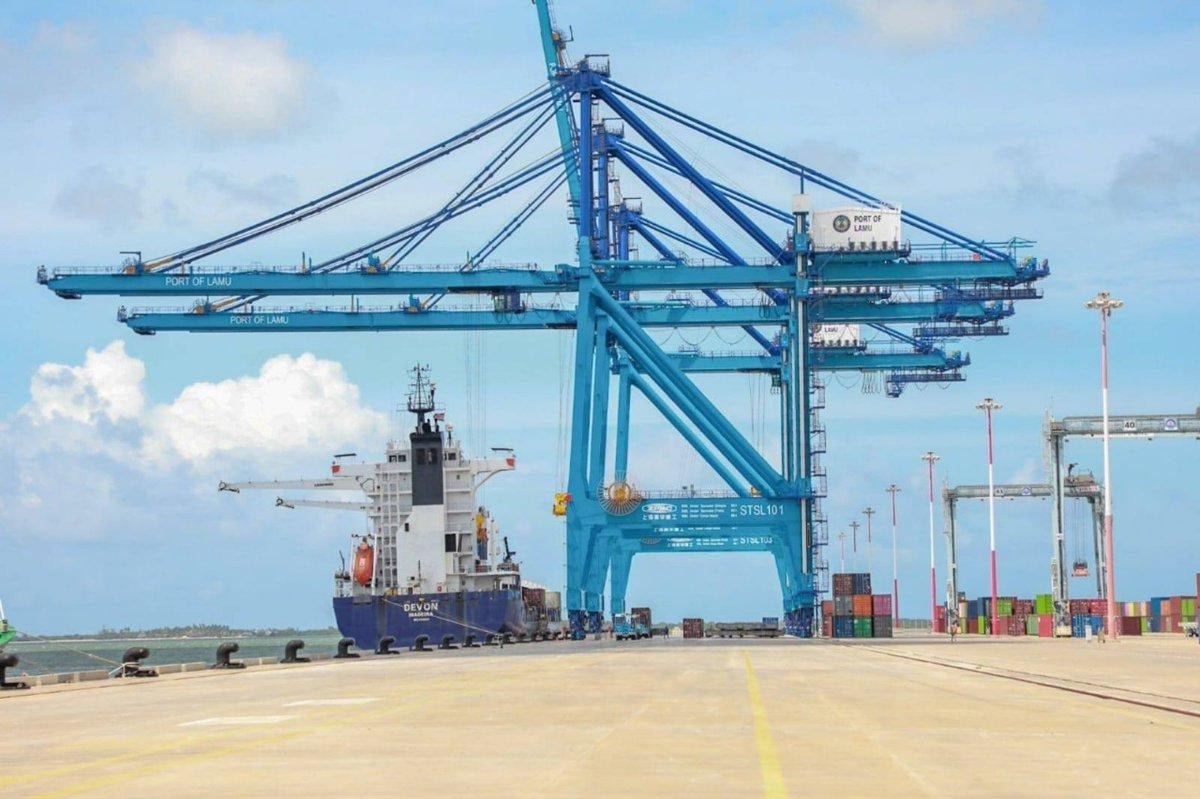
How the Dangote East Africa Refinery Could Transform Lamu Real Estate and the Coastal Property Market
Investment
Thursday, October 1, 2026
On 30 September 2026, construction of the refinery was officially launched in Mokowe, Lamu County. The planned project is valued at approximately US$16 billion and is expected to have a processing capacity of around 700, 000 barrels of crude oil per day. The wider industrial complex is also expected to include a 1, 000 MW power plant, fertiliser production and chemical manufacturing facilities.
For property investors, developers and businesses, the important question is not simply what the refinery will produce.
The bigger question is:
What happens to land, housing, commercial property and investment opportunities when a major industrial project of this scale enters Lamu?
Dangote Refinery and the Changing Face of Lamu
For many years, Lamu has been widely associated with tourism, fishing, culture and maritime trade.
However, infrastructure projects such as Lamu Port and the Lamu Port-South Sudan-Ethiopia Transport Corridor (LAPSSET) have gradually positioned the county as an emerging logistics and industrial gateway.
The Dangote refinery could accelerate this transformation.
The planned refinery is expected to supply petroleum products to Kenya and wider East African markets. Government authorities also expect it to increase vessel traffic, petroleum logistics, port services and demand for specialised maritime and industrial skills.
This means Lamu's future economy could increasingly be supported by a combination of:
- Lamu Port
- LAPSSET infrastructure
- petroleum refining
- power generation
- logistics and transport
- manufacturing
- petrochemicals
- maritime services
- commercial development
- residential property development
When industries and employment opportunities grow, demand for land and property normally follows.
Why the Dangote Refinery Matters to Lamu Real Estate
A refinery does not only create demand within the refinery gates.
Thousands of people and businesses may be required to construct, operate, supply, maintain and support the development.
This creates what is often called an economic multiplier effect.
Construction companies need workers.
Workers need housing.
Businesses need offices.
Transport companies need yards.
Suppliers need warehouses.
Employees need shops, schools, restaurants, hospitals and financial services.
As these activities grow, the surrounding property market can also change.
For investors studying Lamu real estate, the refinery could therefore become an important long-term demand driver.
1. Increasing Demand for Residential Property
One of the most immediate potential effects could be increased demand for accommodation.
Large infrastructure and industrial developments attract:
- engineers
- technicians
- contractors
- construction workers
- logistics personnel
- consultants
- managers
- government officials
- suppliers and entrepreneurs
Some will require short-term accommodation during construction, while others may eventually relocate permanently.
This could create opportunities for:
Affordable rental housing
Bedsitters, one-bedroom apartments and two-bedroom units could become attractive options for workers and young professionals.
Middle-income housing
Supervisors, managers and professionals may create additional demand for quality apartments, maisonettes and gated residential developments.
Furnished and serviced apartments
Consultants, engineers and visiting corporate teams may prefer furnished accommodation for weeks or months rather than traditional hotels.
For property investors, this means that developing land may eventually become just as important as simply purchasing land.
2. Mokowe Could Become an Important Real Estate Growth Centre
One area property investors should closely follow is Mokowe.
The Dangote refinery groundbreaking took place in Mokowe, highlighting the area's strategic importance within Lamu's emerging industrial economy.
Mokowe already acts as an important mainland gateway to Lamu Island and serves administrative, transport and commercial functions.
Lamu Municipality's development plan also identifies Mokowe and Hindi as major centres within the planned Lamu Metropolis.
The plan projects significant long-term population growth and envisions an expanded urban area linking these centres with future transport, commercial and infrastructure development.
As economic activity increases, Mokowe could experience stronger demand for:
- residential plots
- apartments
- shops
- supermarkets
- offices
- hotels
- restaurants
- schools
- healthcare facilities
- commercial buildings
This could gradually transform Mokowe into a larger residential and commercial service centre supporting Lamu's industrial economy.
3. Hindi Could Become a Logistics and Residential Hub
Another important location is Hindi.
Hindi sits within the broader LAPSSET and Lamu Port development environment and forms part of the planned Lamu Metropolis alongside Mokowe.
As logistics and industrial activities increase, Hindi could attract investment in:
- rental housing
- staff accommodation
- warehouses
- workshops
- truck yards
- hardware businesses
- retail developments
- restaurants
- fuel and service stations
- office developments
For investors considering land investment in Lamu, accessibility and proximity to transport corridors may become increasingly important.
4. Industrial and Logistics Property Could Become More Valuable
One property segment that could experience significant demand is industrial and logistics real estate.
A 700, 000-barrel-per-day refinery requires an extensive supply chain.
Products, equipment, raw materials and fuel may move through a network involving:
Lamu Port → refinery → storage facilities → transport corridors → regional markets.
That ecosystem creates possible demand for land used for:
- warehouses
- distribution centres
- equipment yards
- truck parking
- maintenance workshops
- storage facilities
- offices
- staff housing
- construction material depots
The existing Lamu development framework already includes LAPSSET components such as the port, transport corridor, Special Economic Zone, refinery facilities and other supporting infrastructure.
This suggests that the long-term Lamu property story may increasingly include industrial property alongside traditional residential and tourism real estate.
5. Commercial Real Estate Could Expand
When employment and population grow, consumption also grows.
Workers and businesses require everyday services.
This could create additional opportunities for commercial property including:
- supermarkets
- shopping centres
- restaurants
- pharmacies
- banks
- schools
- hospitals and clinics
- entertainment facilities
- professional offices
- hardware shops
Investors purchasing strategically positioned plots may therefore eventually consider developing income-producing commercial property rather than depending only on land appreciation.
6. Lamu's Hospitality Market Could Benefit
Lamu already has a strong tourism identity.
However, industrial development could introduce another category of visitor: the business traveller.
Refinery construction and port expansion could attract engineers, consultants, contractors, investors and corporate teams.
These visitors may require:
- business hotels
- serviced apartments
- furnished rentals
- conference facilities
- executive accommodation
Mainland areas such as Mokowe may particularly benefit because professionals working around industrial and infrastructure projects may prefer accommodation closer to their workplaces.
7. Land Prices May Rise — But Location Will Matter
Major infrastructure announcements often trigger land speculation.
However, investors should understand that not every piece of land in Lamu will automatically increase in value at the same rate.
The strongest property demand is more likely to follow:
- major roads
- employment centres
- ports
- transport corridors
- urban centres
- commercial zones
- industrial zones
- properly serviced residential areas
A plot with good road access and appropriate zoning may therefore perform very differently from remote land purchased purely because it is located somewhere within Lamu County.
Property investment decisions should always be based on location, accessibility, documentation and realistic development potential.
8. The LAPSSET Corridor Strengthens the Investment Story
The Dangote refinery should also be viewed together with the wider LAPSSET Corridor.
LAPSSET is one of Kenya's major infrastructure development programmes and includes several interconnected components such as:
- Lamu Port
- highways
- railway infrastructure
- pipelines
- special economic zones
- planned urban developments
- logistics infrastructure
- industrial facilities
Lamu Municipality's development framework envisions the creation of a larger Lamu Metropolis centred around Mokowe and Hindi, supported by transport and infrastructure development.
Therefore, property investors should consider the refinery as part of a much larger regional development story rather than as an isolated project.
9. The Wider Coastal Region Could Also Benefit
Although Lamu is likely to experience the most direct impact, opportunities may extend across the wider coastal region.
Companies supplying or servicing developments in Lamu may operate from locations in:
- Kilifi
- Malindi
- Mombasa
- Mariakani
- other coastal commercial centres
This could potentially increase demand for:
- warehouses
- offices
- staff accommodation
- logistics yards
- commercial plots
- industrial land
Kilifi County in particular could benefit indirectly from increased investment and movement of people, goods and services along the Coast.
For property investors, this demonstrates why infrastructure development anywhere along Kenya's Coast should be viewed within a broader regional context.
10. Risks Property Investors Should Not Ignore
Despite the potential opportunities, responsible property investment requires careful due diligence.
The refinery has faced land-related legal challenges and environmental concerns. Reuters reported that disputes involving local residents and conservation issues could affect some site activities, while questions remain around infrastructure, crude oil supply and project execution.
Investors should therefore avoid purchasing land based purely on speculation.
Before buying land in Lamu or around major infrastructure corridors, confirm:
- the genuine registered owner
- title deed authenticity
- official land search results
- survey boundaries
- road access
- zoning regulations
- development restrictions
- existing charges or encumbrances
- whether the property falls within infrastructure reservations
- whether compulsory acquisition processes affect the land
Professional due diligence remains one of the most important protections for any property investor.
What Could Happen to Lamu Real Estate Over the Next Few Years?
If construction progresses as planned, Lamu's property market could potentially develop in several stages.
Construction Phase
Demand may increase for:
- temporary housing
- rentals
- contractor accommodation
- construction yards
- hardware businesses
- transport services
Industrial Development Phase
Demand could gradually shift toward:
- warehouses
- industrial plots
- permanent worker housing
- offices
- logistics facilities
- commercial centres
Operational Phase
If the refinery becomes fully operational and supporting industries establish themselves, demand could expand further into:
- middle-income housing
- schools
- healthcare facilities
- retail developments
- commercial offices
- hotels
- serviced apartments
- industrial parks
The scale and timing of these developments will depend on how quickly infrastructure, investment and actual economic activity materialise.
Should Investors Consider Lamu Real Estate?
The Dangote East Africa Refinery strengthens the long-term development case for Lamu.
However, smart real estate investment should not simply follow headlines.
Investors should follow infrastructure, population movement, employment and economic activity.
In Lamu, that means understanding the relationship between:
Dangote Refinery + Lamu Port + LAPSSET + roads + urban expansion + industrial development.
Areas that combine good access, proper documentation and proximity to economic activity could potentially experience stronger demand as Lamu grows.
Conclusion: Lamu Could Be Entering a New Property Investment Era
The Dangote East Africa Refinery could become one of the most significant economic developments to affect Lamu County in decades.
Combined with Lamu Port, LAPSSET and planned industrial developments, it has the potential to gradually change Lamu from a largely tourism, fishing and maritime economy into an important industrial, logistics and energy hub for East Africa.
For the property sector, this could create opportunities across:
- residential development
- rental housing
- commercial property
- industrial land
- warehousing
- hospitality
- serviced apartments
- logistics property
However, successful property investment will depend on choosing the right location and conducting proper due diligence.
At Inuka Afrika Properties Ltd, we believe sustainable property investment starts with understanding where infrastructure, population and economic growth are moving.
As Kenya's coastal region continues to develop, investors who understand these long-term trends will be better positioned to make informed real estate decisions.
Looking for Property Investment Opportunities Along Kenya's Coast?
Inuka Afrika Properties Ltd offers strategically located land investment opportunities across the coastal region.
Whether you are looking to buy land for your future home, development or long-term investment, our team can guide you through available opportunities and help you make an informed decision.
Book a site visit today.
📞 Call/Whats App: 0711 082 084
📍 Office: Nyali Links Road, Opposite Kigotho's Hotel & Apartments, Mombasa
🌐 Website: www.inukaproperties.co.ke
Inuka Afrika Properties Ltd — Trust • Invest • Grow.